When I first started SEO, I thought fixing titles, adding keywords, and optimizing page speed would be enough. I used just to publish an article, forget about it, and never bother building backlinks for it (something many people still do).. But here’s the truth I discovered the hard way: without Off Page SEO, your site is invisible. According to a 2023 study by Ahrefs, approximately 96.55% of web pages receive no organic traffic from Google because they lack backlinks. That number hit me like a brick. Backlinks are also known as inbound links. In easy words, think of backlinks as votes of confidence—each quality link tells search engines that your content is worth showing to more people.
So, I made backlinks my focus. And it worked — What I’m about to share here is not just theory — these are practical tactics I’ve personally used to grow my site’s Domain Rating (DR) by over 30% in a few months. I’ll share exactly what I did, how you can do it, and the mistakes I avoided. Without consistent Off Page SEO, even the best-written content struggles to rank. By the end, you won’t just “know about backlinks” — you’ll be ready to build them. However, before diving into strategies, it’s essential to understand what Off-Page SEO really means and why it extends far beyond backlinks alone.
What Off Page SEO Really Means (And Why It Matters)
Most beginners confuse Off Page SEO with just “getting links. But that’s only part of the story. Off page SEO is about building trust, authority, and reputation around your brand. Think of Off Page SEO as your site’s reputation scorecard — the stronger it looks, the more Google trusts you.
Off page SEO is about building trust, authority, and reputation. On-page is what you say about yourself; Off Page is what others say about you. The more authoritative sites mention and link to you, the more Google sees you as credible and as proof that you’re worth ranking. But how will it happen? I always believe that high-quality content is your strongest weapon to attract backlinks naturally, because the more perfect and optimized your content is, the more reputation you build and the easier it becomes to earn backlinks. That’s why mastering On-Page SEO is so important. Watch this video.
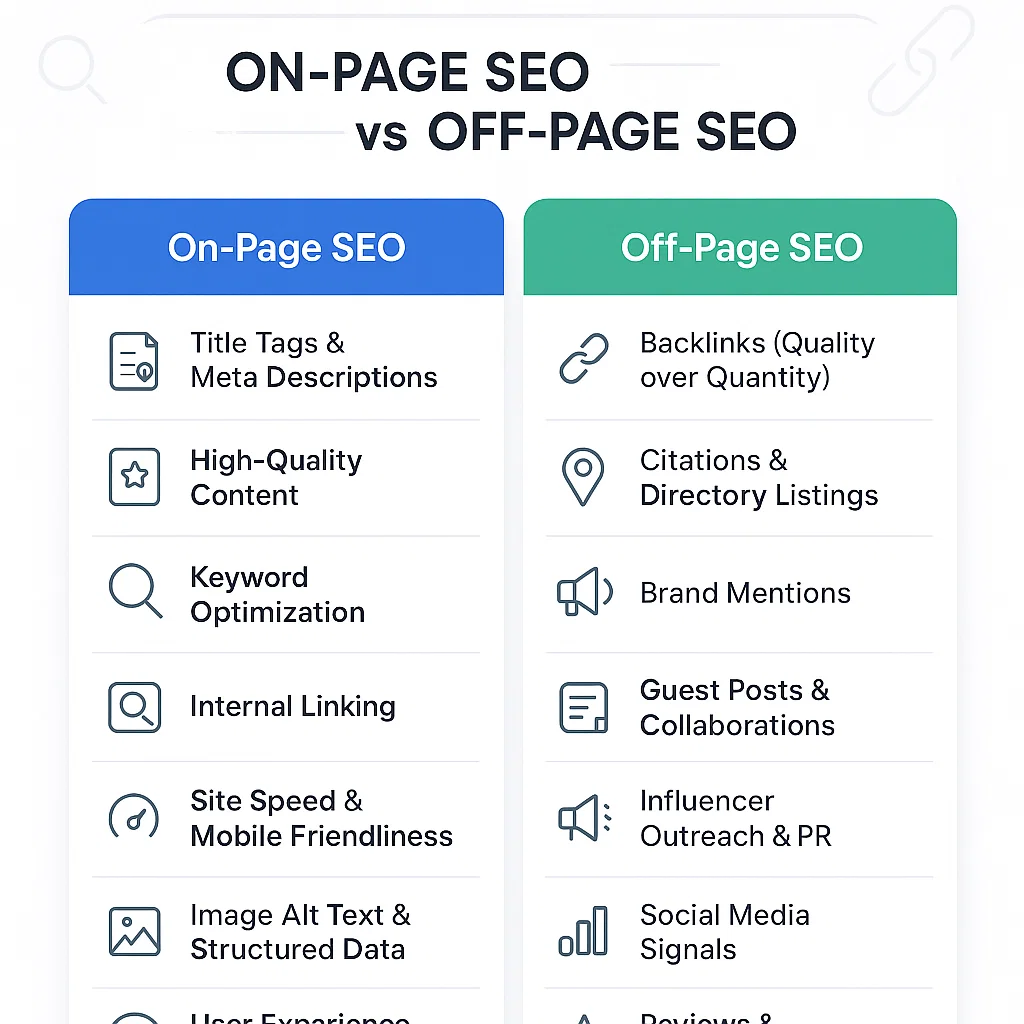
I noticed this firsthand when my blog was mentioned in a roundup by another SEO blog. That single mention didn’t just bring traffic; it boosted my credibility in Google’s eyes. It may take your time and effort, but believe me, every moment you invest is worth it. Once you see it this way, the tactics I’m about to share make a lot more sense; they’re practical ways to build that trust and authority step by step.
Table of Contents
Top Off Page SEO Strategies That Actually Work
I’ve tried dozens of tactics, but these are the ones that consistently deliver results. It’s not about creating backlinks in bulk—every single backlink you build matters, and the right ones can drive traffic or even generate leads. Let’s look at how you can build Off Page SEO links without spamming.
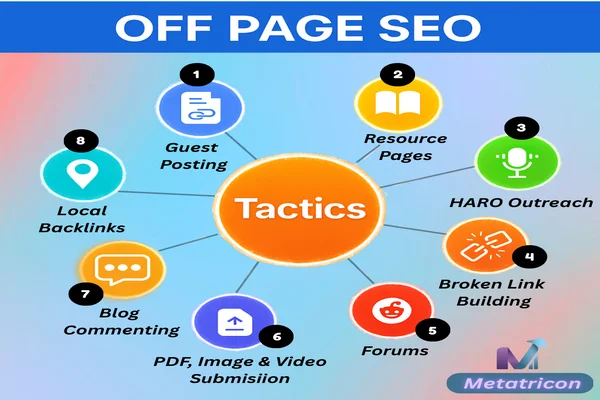
1. Guest Posting (Writing on Other Sites to Earn Links)
Guest posting is one of the oldest yet most reliable Off Page SEO strategies, especially when you publish on authority sites. Guest posting simply means writing an article for someone else’s website and linking back to yours. I know, it sounds like you’re helping them more than yourself, but trust me — this is one of the most powerful ways to grow. When I landed my first guest post on a marketing blog (DA 70), my traffic and DR both spiked.
How you can do it:
- Google smart search operators:
- “your niche” + “write for us”
- “your niche” + “guest post guidelines”
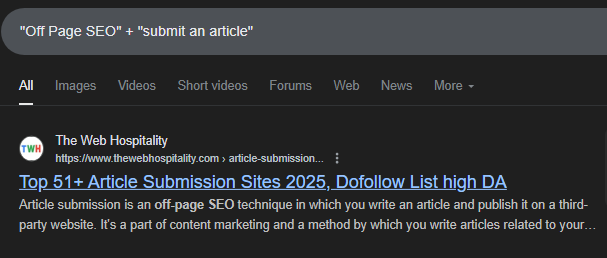
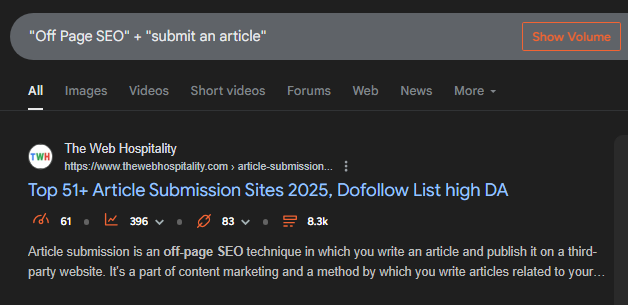
- “your niche” + “submit an article”
- “your niche” + “become a contributor”
For Example: Off Page SEO + write for us
2. Use DA PA Checker to check DA, Traffic, Spam score, aim for 50+.
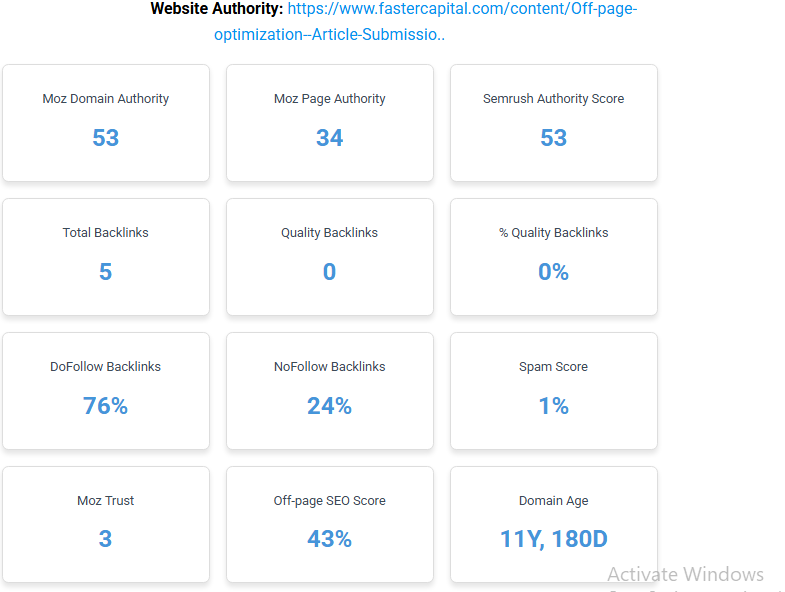
There are also extensions for doing the same task. e.g, Ubersuggest (by Niel Patel), SEOquake (by Semrush)
3. Pitch a unique topic. For example, instead of a generic title like “Off Page SEO Strategies,’ I pitched Off Page SEO: 9 Smart Link-Building Tactics That Work for Everyone.’
4. Place your backlink naturally within the content, not just at the end or in the bio.
Find sites with readers you want, not random “write for us” farms. Only write on relevant category sites to get visitors that has a true interest in your niche. Every quality guest post you land improves your overall Off Page SEO profile. If you want a step-by-step walkthrough, watch this Guest Posting Tutorial on YouTube.
{Pro tip: Avoid generic pitches. I once wrote 10 custom pitches in a night, and 3 of them got accepted. Some people just create bulk backlinks, and when there is no traffic coming, they are disappointed. The key: quality guest posts on relevant sites beat bulk backlinks every time.}
2. Resource Page Backlinks (Becoming a “Recommended” Source)
A resource page is simply a list of “best sites” or “helpful blogs” in a niche. Getting featured there is like free advertising. Think of resource pages as “helpful links” hubs.
What I did:
- Keyword inurl: resources
- Keyword “best resources”
- Keyword” useful resources”
- Keyword intitle: links
- Keyword “helpful links”
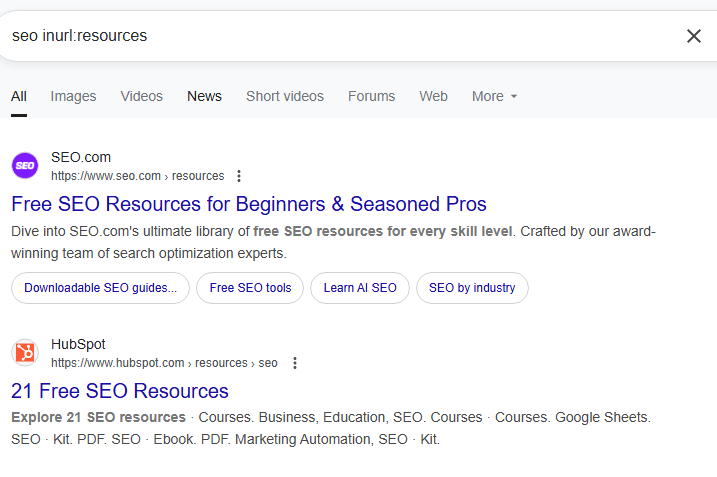
2. Found a few SEO resource pages.
3. I scan the page, confirm it’s maintained, then send a two-sentence value pitch. Emailed the owners:
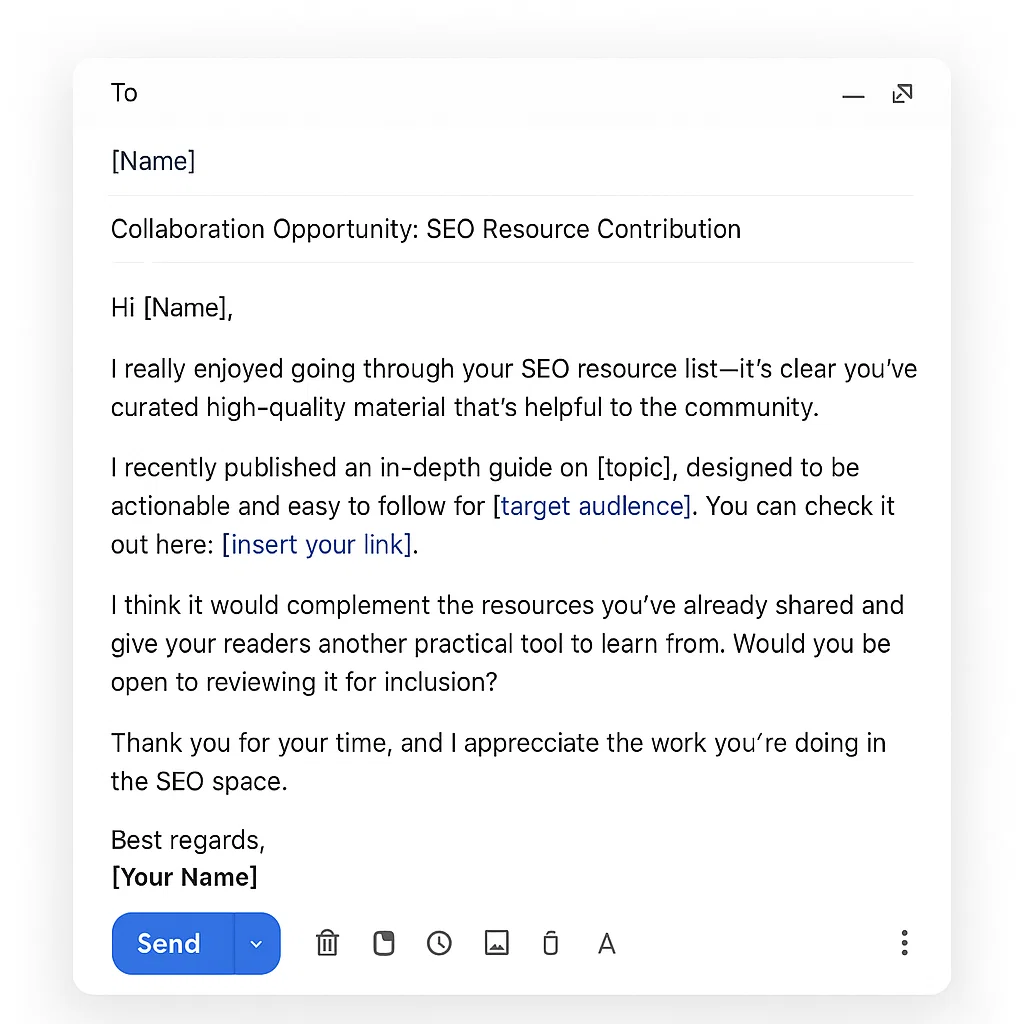
Within a week, two sites added me. Those backlinks still send referral traffic every month. Here’s a practical Resource Page Link Building Guide you can check out.
{Extra tip: Don’t mass-email. Personalize your outreach so it feels genuine, not spammy. You’ll be surprised how many curators say yes when your resource truly fills a gap. One genuine pitch to the right curator is more powerful than 50 generic emails.}
3. HARO & Journalist Outreach (Backlinks from Forbes-Type Sites)
HARO (Help a Reporter Out) connects journalists with experts. I signed up last year, replied to three queries, and one of my answers was featured on a business news site with DR 90. That single backlink gave me traffic for months. HARO changed the game for me.
Here’s how I made HARO work for me, and how you can too.:
- Create a HARO account.
- Filter for your industry.
- Reply fast with useful and professional answers. (journalists work fast). Send short expert quotes (3–5 sentences and a one-line bio with your link).
- Provide valuable insights, not sales pitches.
- If chosen, your name + website gets published.
Imagine your site being linked from Forbes, Inc., or Entrepreneur — that’s not just SEO juice, that’s brand authority. To see how HARO works in real time, here’s a useful HARO Backlink Tutorial.
4. Broken Link Building (Turning Dead Links into Yours)
I love this method because it helps both sides. Broken links are those outdated links that no longer exist and show a 404 error. Once, SEMrush showed me 400+ broken backlinks on a competitor’s site. Competitors are all those websites that are ranking higher than you in SERP. I reached out to the webmasters, and two replaced the dead links with my content.
You can do the same:
- Use SEMrush → Go to the Broken Backlinks report section in the left navigation.
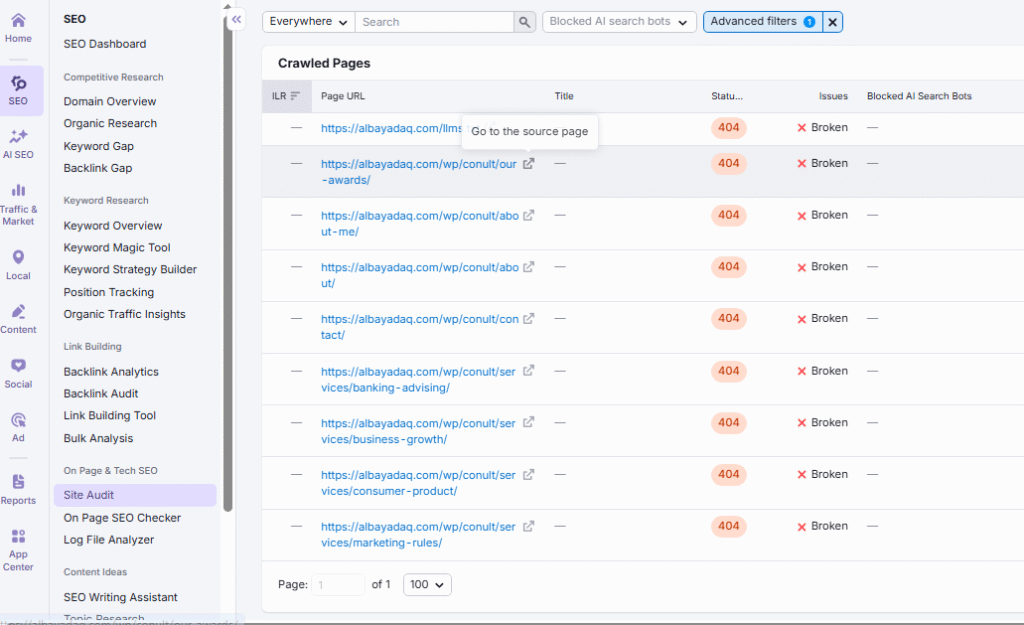
2. Export the list.
3. Email:
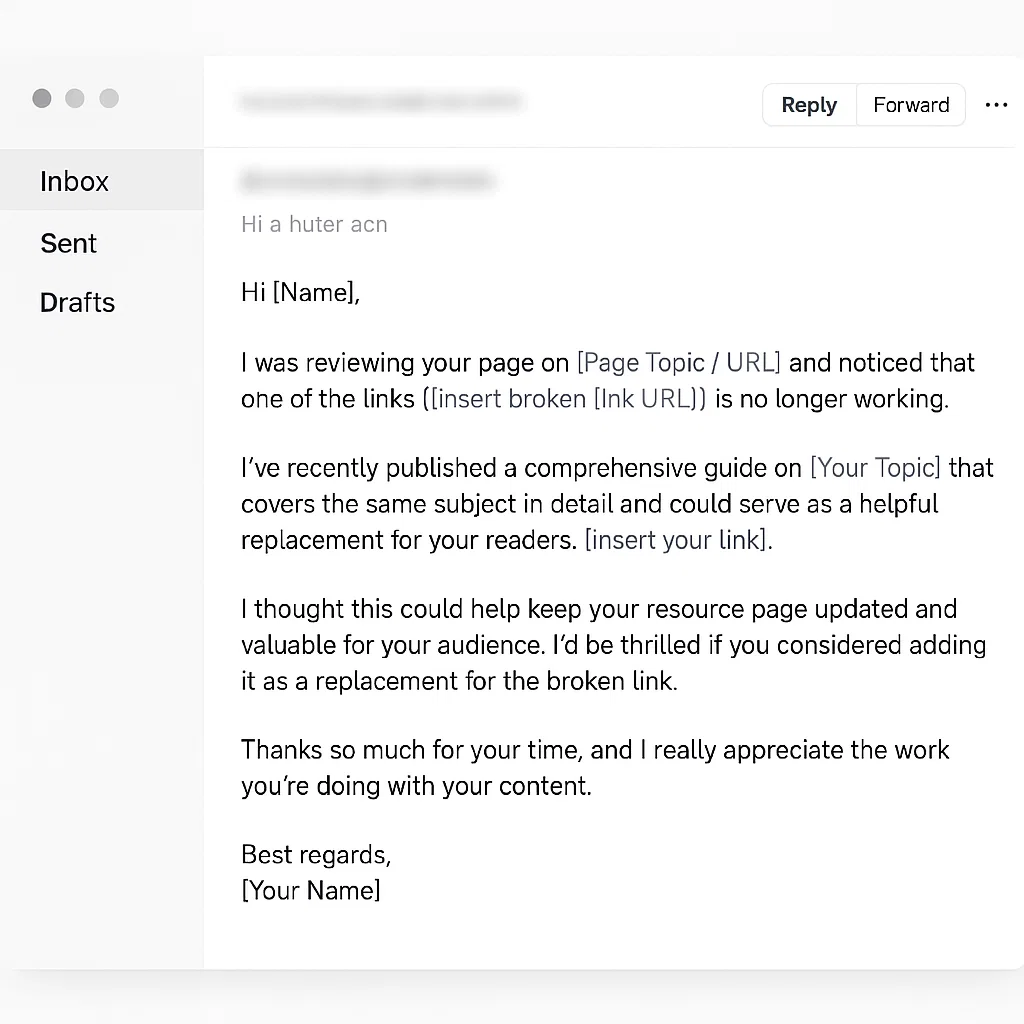
You win because you’re fixing their site while gaining authority for yours. If I already cover that topic, I pitch my URL as the fix; if not, I rebuild a stronger, updated version first.You can also follow this Broken Link Building Step-by-Step Guide for clarity.
5. Blog Commenting (For Indexing + Networking)
Blog commenting isn’t about spamming links. It is often misunderstood. No, it won’t skyrocket rankings, but it can still play a role in off-page SEO. When you leave thoughtful comments—like sharing a case study or expanding on a point—you build relationships with site owners, drive small bursts of referral traffic, and it helps with indexing and even gets noticed for future collaborations. For example, I once left a detailed comment on a marketing blog explaining how I applied their tip, and the author later linked to my article in a roundup post.
Here’s what I do:
- Search Google:
“your keyword” + “leave a comment“
You can also comment on your competitors who have a lot of traffic and comments. - Only comment on DA 50+ blogs.
- Write something meaningful. Example: “I liked how you explained [X]. We tested something similar on our site and saw [result]. Shared my findings here [link].”
{Extra tip: Even if links are nofollow, comments help with indexing and building trust with bloggers. Thoughtful comments build relationships; spammy ones waste time.}
6. PDF, Image & Video Submissions (Repurpose for Backlinks)
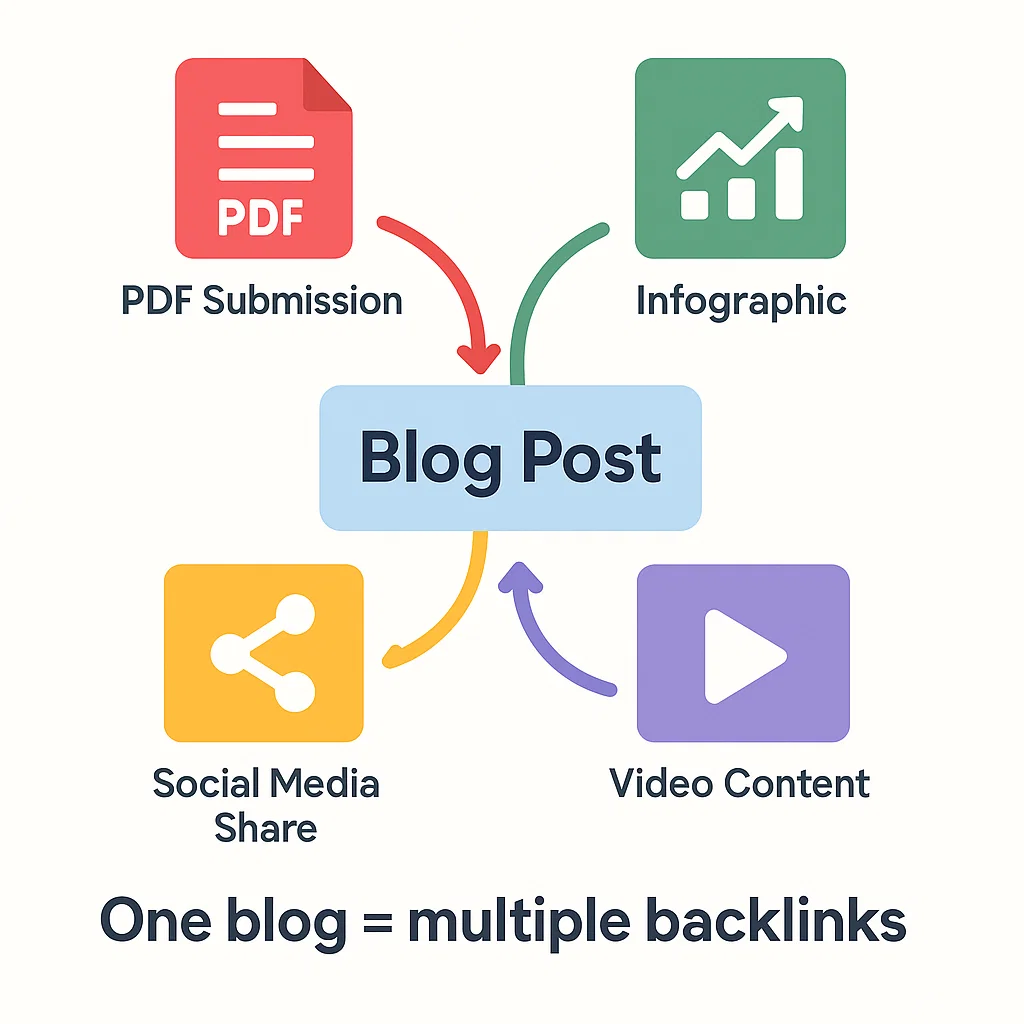
This one is so underrated. Sometimes people ignore the easiest backlinks. I take one article, repurpose it into different formats, and boom — three backlinks from three platforms. Repurposing content into other formats creates simple off-page SEO opportunities. A blog post can be turned into a PDF guide and uploaded to SlideShare, a set of branded infographics shared on Pinterest, or a quick video summary posted to YouTube. Each platform gives you a backlink plus extra visibility. For instance, I turned a ‘Beginner’s Guide to SEO’ post into a PDF checklist on Scribd, which still drives referral traffic months later.
Try this:
- Convert your article into a PDF → Upload to SlideShare, Scribd, Academia.edu. (add backlinks inside PDF).
- Create an infographic → Share on Pinterest, Flickr, Imgur with your site in the description.
- Record a short explainer video → Upload to YouTube and Vimeo with your link in the description.
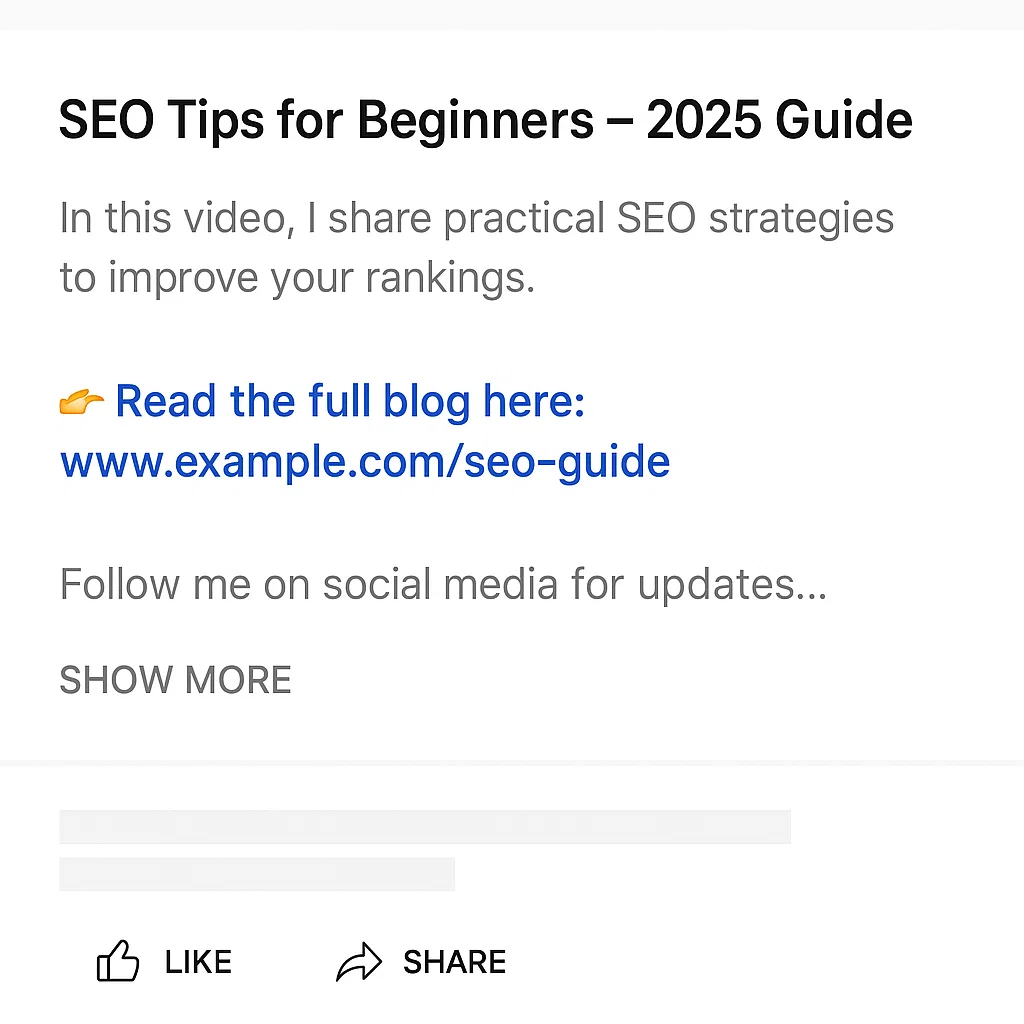
Each format = one more backlink opportunity. This not only builds backlinks but also spreads your brand across multiple search verticals. This PDF & Media Submission Tutorial shows exactly how to repurpose your content.
7. Q&A Platforms (Quora, Reddit, Stack Exchange)
Answering questions sounds boring, but trust me, it works. Q&A platforms like Quora or Reddit are great for showing authority while picking up natural links. Let’s say someone asks, ‘What are the best off-page SEO tools?’ Instead of just dropping a link, I’d write a mini-answer mentioning tools like Ahrefs, SEMrush, or Moz, then add a line like: ‘I wrote a full comparison here if you want a deeper breakdown.’ Done consistently, this builds trust and drives targeted traffic.”
Steps:
- Go to Quora → Search “best [keyword] tools” or “how to [keyword].”
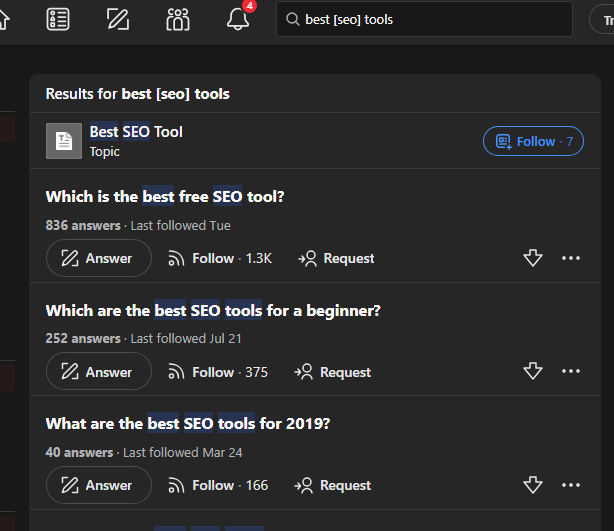
2. Write a helpful and genuine answer. At the end, add: “I covered this fully here [link].”
3. On Reddit, use: site:reddit.com “your keyword” to find discussions and add your link naturally.
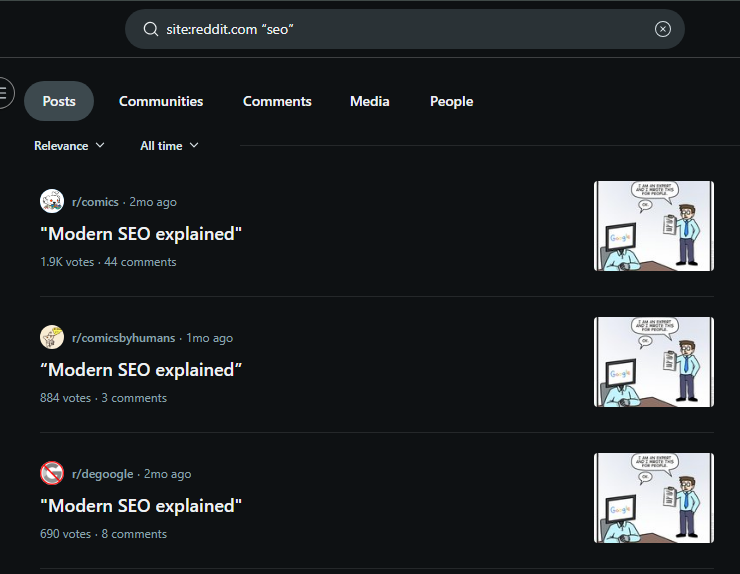
Traffic may come first, but those brand mentions also boost authority. Answer first for value, add links second for credibility.
8. Local SEO Backlinks (Perfect for Local Businesses)
If your business is location-based, this is huge. When we fully optimized our Google Business Profile, we started ranking in the Google Maps 3-Pack within weeks. Fill everything: categories, photos, services, Q&A, and most importantly, encourage reviews. Local citations are a powerful form of Off Page SEO, especially for businesses competing in maps and regional searches. This is a real-world ranking lever and can push you into the Maps 3-Pack when your site also has supporting content.
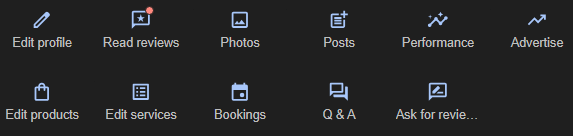
Steps:
- Claim profiles on Google Business, Yelp, Foursquare, and Hotfrog.
- Add website link and full details.
- Ask happy real customers for reviews just before they had taken service from you for better, fresher memories and a nice experience with you.
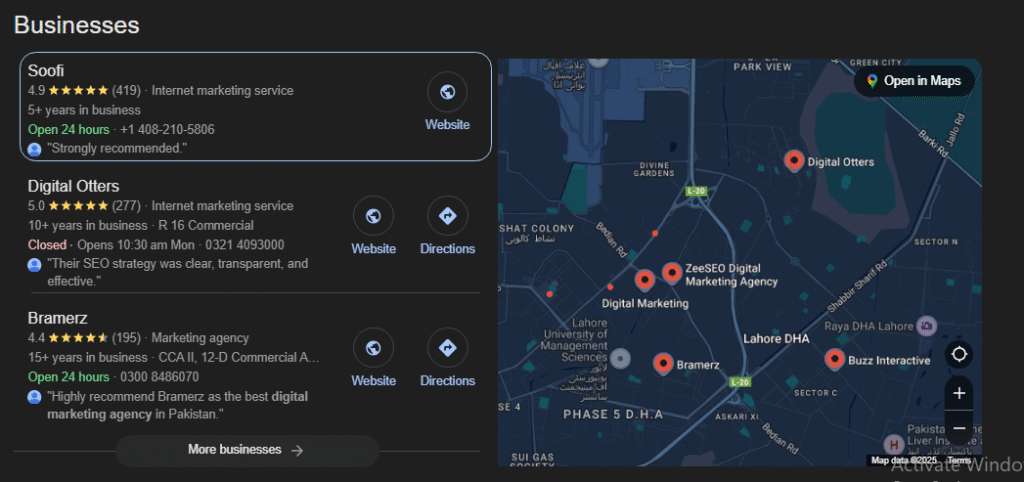
Local citations = backlinks + map rankings + more calls and sales, which is free traffic gold. This Local SEO Backlinking Video gives you practical examples for small businesses.
Measuring Off Page SEO Success (The Metrics I Track)
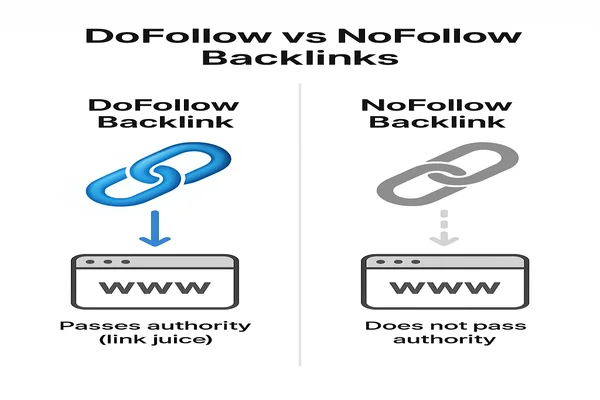
People only think that Do-Follow links will increase their DA, but it’s not true. Do-Follow links will pass the link juice(Off Page SEO Score) to your site. There should be a balance between No-Follow and Do-Follow links. Doing backlinks without tracking is like running blind. I use Ahrefs, SEMrush, and Google Search Console to monitor:
- Referring domains.
- Domain Rating growth.
- Organic traffic.
- Referral traffic from guest posts or social media.
I prepare monthly reports to see which tactic is working. For example, my guest posts consistently bring higher referral traffic compared to Quora answers.
Common Mistakes in Off Page SEO (And How I Avoided Them)
I’ve made mistakes, so you don’t have to:
- Buying cheap backlinks {never do this, Google easily catches it}.
- Wasting time on irrelevant directories. Instead, create backlinks on Bing, Yahoo Directory, Yellow Pages, and Yelp. etc
- Chasing only social shares without improving content quality.
Instead, I focus on relevant, high-authority links and long-term relationships. That’s what gives sustainable growth. This is a video that will teach you how to avoid mistakes for backlinks.
The 2025 Ground Rules (So You Don’t Get Burned)
We never buy links, join link schemes, or automate spammy placements. Google’s spam policies and rolling spam updates keep getting stricter, and violations can crush visibility for months. Our approach: create link-worthy assets, pitch to real editors, and keep everything contextually relevant.
Final Thoughts
Off Page SEO isn’t just about chasing backlinks. It’s about building trust signals, authority, and reputation online. When I started applying these strategies step by step, I watched my DR climb, my organic traffic rise, and my brand recognition grow.
The key is simple: execution over theory. Don’t just read this — pick one strategy today, apply it, and track the results. Within weeks, you’ll see your site moving in the right direction. The difference between struggling and thriving online often comes down to how well you execute Off Page SEO. In Off Page SEO, backlinks are important, but quality matters more than quantity.
{Bookmark this guide and return whenever you feel stuck. Each method here can be a game-changer if applied consistently.}
If you notice any mistakes or have suggestions for improvement, feel free to share them in the comments—your feedback helps me refine this guide and makes it more valuable for everyone.